The highly vulnerable Great Lakes region may unfortunately follow the same path to a war economy observed in fragile and conflict-afflicted states elsewhere in the world.
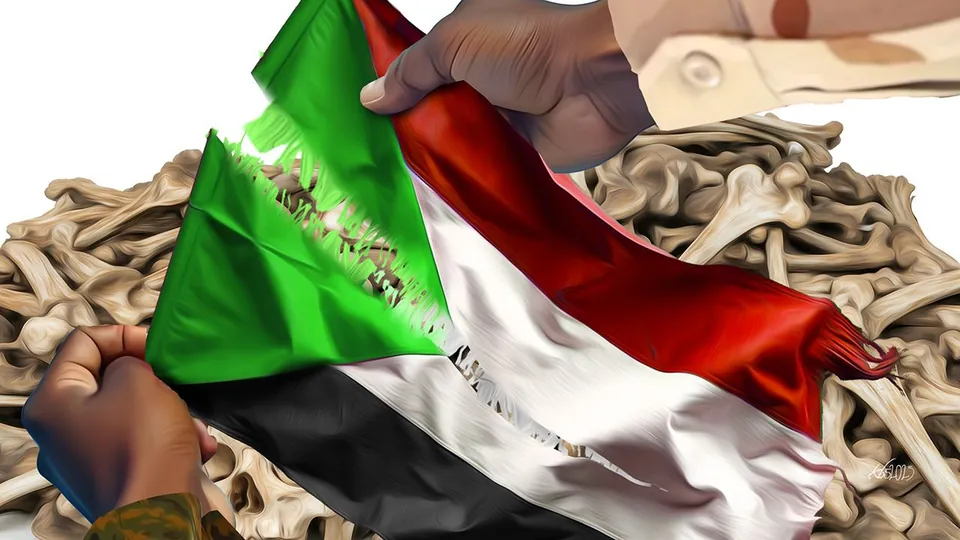
To bring an end to the conflict in Sudan, the control of natural resources that has led to socio-economic and political marginalisation needs to be addressed and a fair, inclusive, and sustainable mechanism of resource sharing put in place.
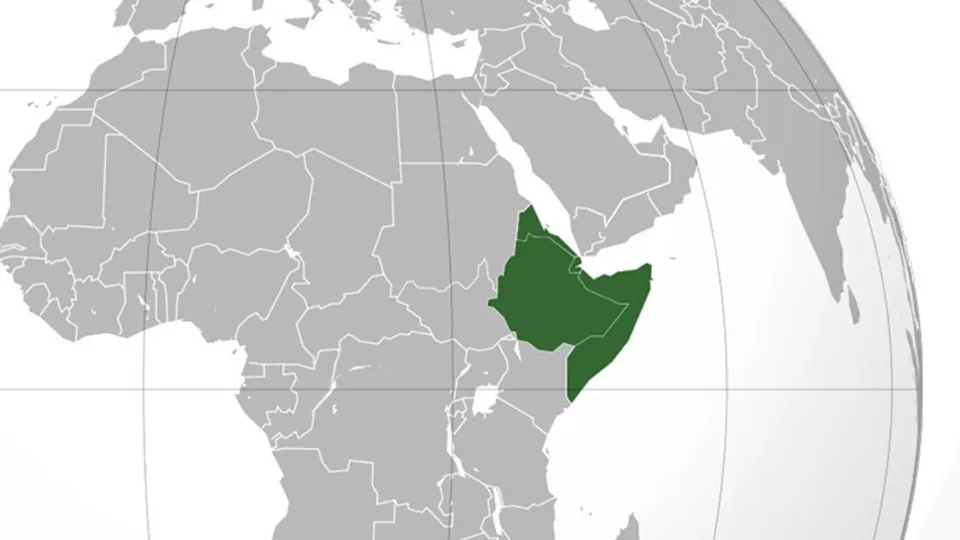
Thirty years after Eritrea gained independence from Ethiopia, there has hardly been any meaningful development in this small nation in the Horn of Africa. On the contrary, the government’s authoritarian policies have undermined democracy and forced young people to flee the country.
Although endorsed by the African Union, Kenya’s candidacy for one of the non-permanent United Nations Security Council seats reserved for Africa has been challenged by Djibouti and there are no guarantees that the country will get the votes of two-thirds of the Council members in the forthcoming June elections. With both countries arguing that they are the voice of Africa, Kenya will need to defend its track record on matters of international peace and security and address concerns about its reliability as an ally, among other grievances against it. Otherwise, Nairobi may be in for a surprise come June.

 Exhibit 01