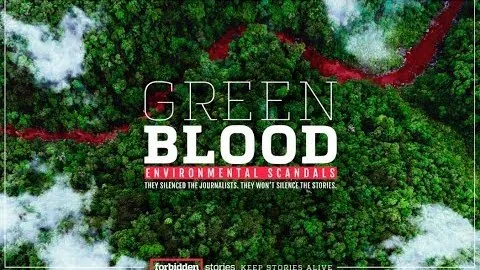
On every continent mining giants try to hide dirty secrets.
On every continent, journalists have faced difficulties investigating environmental issues. Since 2009, at least 13 journalists have been killed working on environment-related stories, according to the Committee to Protect Journalists.
One subject is particularly perilous: documenting environmental damage by the mining industry. Green Blood is a project designed to finish work begun by some of these journalists shut down by the danger inherent in shedding light on one of the darkest and most destructive industries in the world.
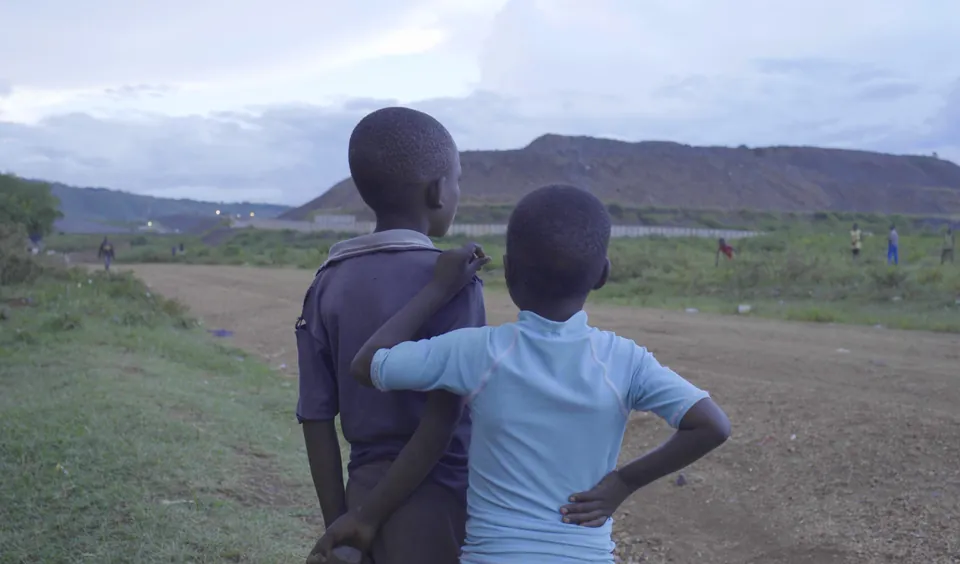
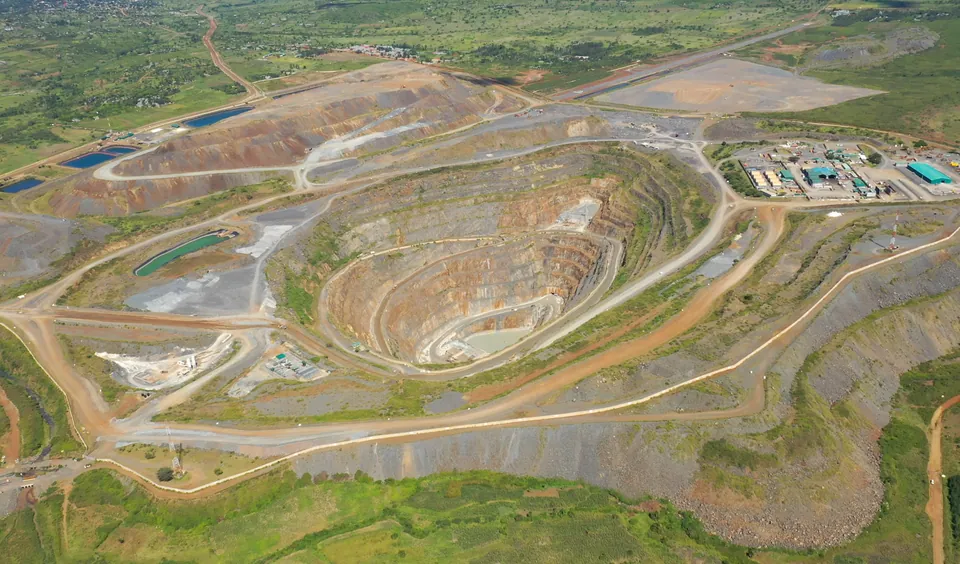
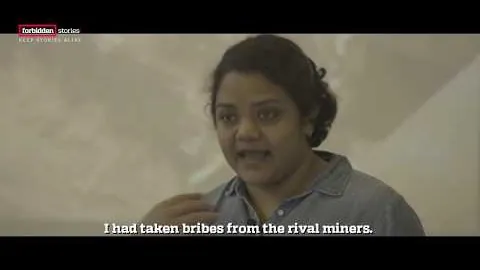
In Tanzania, reporters trying to investigate violence, environmental damage and other wrongdoing connected to a gold mine in the north of the country are trapped between the silence of a mining giant and the lies of a repressive government. At least a dozen reporters – local and international – who wrote about the mine have been censored or threatened. Forbidden Stories, an international consortium of 40 journalists publishing in 30 media organizations around the world, unveiled the shameful history of gold leaving the North Mara gold mine to end up in coveted high tech phones and computers.
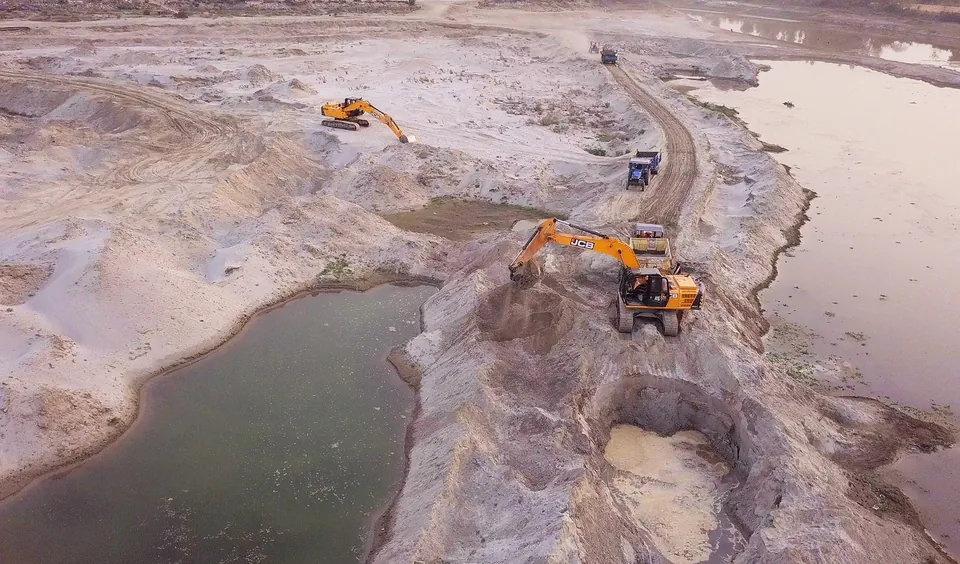
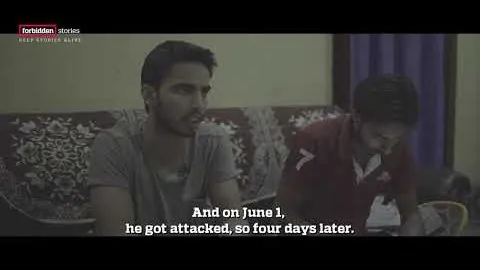
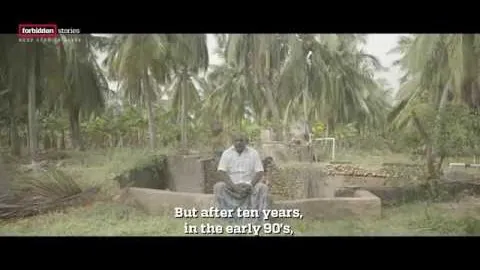
Up to 50 billion metric tons of sand and gravel are extracted every year worldwide. The inexhaustible need for sand from India, a rapidly-developing country, is the breeding ground for illegal activities by what has come to be known as the “sand mafias.” Forbidden Stories, an international consortium of 40 journalists publishing in 30 media organizations around the world, looked into the violent censorship and environmental damage left behind by these sand barons. This is part of the “Green Blood” series, a project pursuing stories of journalists who have been threatened, jailed or killed while investigating environmental issues.
The “Green Blood” series pursued the investigations of several reporters who faced threats when covering possible environmental damage and other abuses by mining companies. Reporting on environmental issues can cost journalists their jobs, the land they live on and even their lives. The more journalists cover these issues aggressively, the more they are provoking powerful interests that will retaliate and block access to information. This is particularly true of the mining industry. For the first time, 40 journalists from 15 countries organized by Forbidden Stories were able to go into the field, track supply chains and use open source tools to look into mines in India, Tanzania and Guatemala that once tried to cover up their activities.
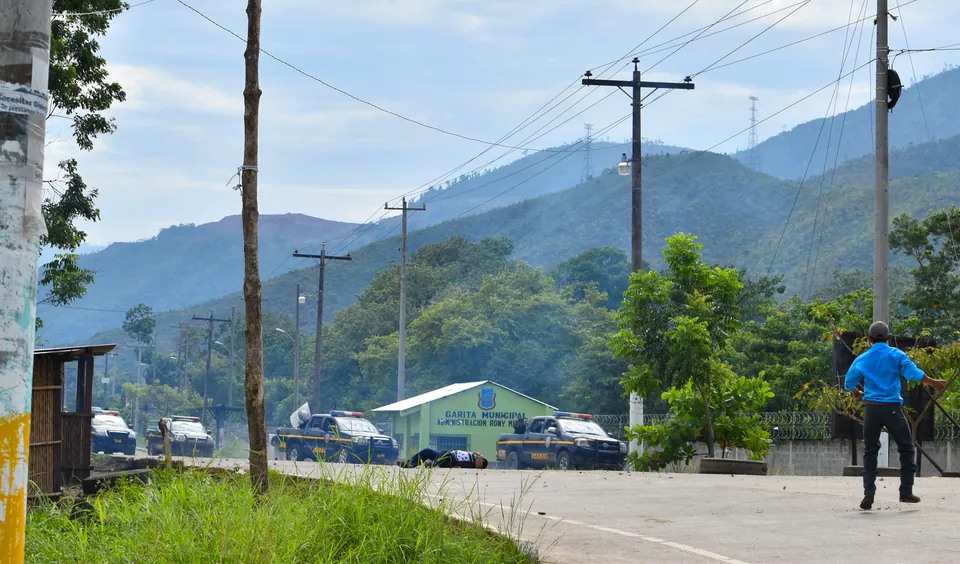
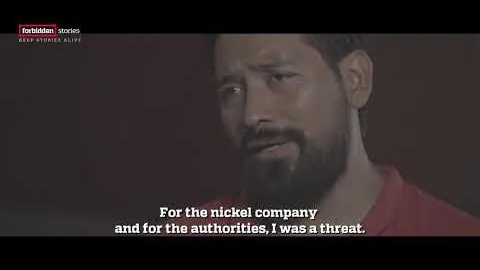
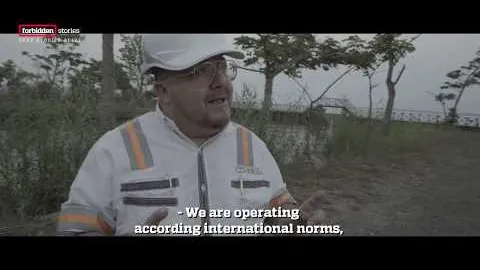
A group of fishermen from an indigenous community in Guatemala demanded to know more about the environmental impact of a ferronickel mine established on their ancestral land. One of them was killed, and a local reporter was criminalized for covering the story. Forbidden Stories, an international consortium of 40 journalists publishing in 30 media organizations around the world, joined forces to continue the reporter’s work. This is part of the “Green Blood” series, a project pursuing stories of journalists who have been threatened, jailed or killed while investigating environmental issues.
Forbidden Stories · Pressing play loads the film from YouTube’s privacy-enhanced player (youtube-nocookie.com); YouTube then sees your internet address. Nothing is loaded before you press play. Watch on YouTube ↗
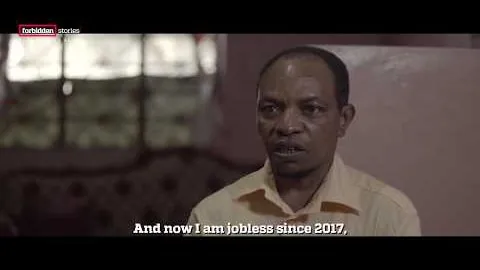
Green Blood - Jabir Idrissa tells us how journalists are being censored in Tanzania
Forbidden Stories · Pressing play loads the film from YouTube’s privacy-enhanced player (youtube-nocookie.com); YouTube then sees your internet address. Nothing is loaded before you press play. Watch on YouTube ↗
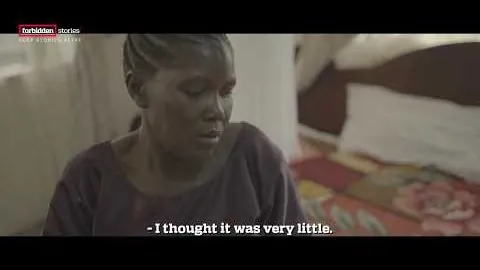
Green Blood - Lucia Marembela tells us how she was allegedly raped by gold mine keepers
Forbidden Stories · Pressing play loads the film from YouTube’s privacy-enhanced player (youtube-nocookie.com); YouTube then sees your internet address. Nothing is loaded before you press play. Watch on YouTube ↗
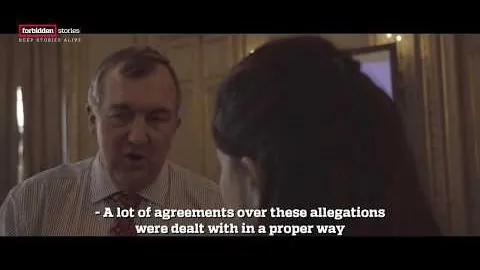
Green Blood - Forbidden Stories draws the attention of Mark Bristow, Barrick’s CEO
Forbidden Stories · Pressing play loads the film from YouTube’s privacy-enhanced player (youtube-nocookie.com); YouTube then sees your internet address. Nothing is loaded before you press play. Watch on YouTube ↗
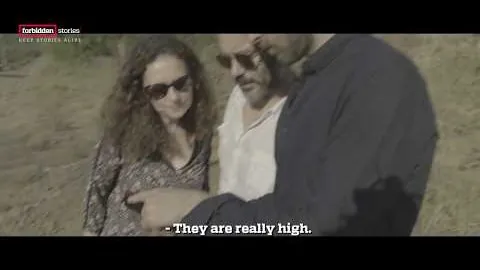
Green Blood - Sandhya Ravishankar and Arthur Bouvart meet with Jagendra Singh’s family
Forbidden Stories · Pressing play loads the film from YouTube’s privacy-enhanced player (youtube-nocookie.com); YouTube then sees your internet address. Nothing is loaded before you press play. Watch on YouTube ↗
Green Blood - Diksha Singh talks about her late father, Jagendra Singh
Forbidden Stories · Pressing play loads the film from YouTube’s privacy-enhanced player (youtube-nocookie.com); YouTube then sees your internet address. Nothing is loaded before you press play. Watch on YouTube ↗
Green Blood - Sandhya Ravishankar talks about the threats she has received.
Forbidden Stories · Pressing play loads the film from YouTube’s privacy-enhanced player (youtube-nocookie.com); YouTube then sees your internet address. Nothing is loaded before you press play. Watch on YouTube ↗
Green Blood - A farmer from Tamil Nadu tells his story
Forbidden Stories · Pressing play loads the film from YouTube’s privacy-enhanced player (youtube-nocookie.com); YouTube then sees your internet address. Nothing is loaded before you press play. Watch on YouTube ↗
Green Blood - Carlos Choc, key witness in the murder of Carlos Maaz
Forbidden Stories · Pressing play loads the film from YouTube’s privacy-enhanced player (youtube-nocookie.com); YouTube then sees your internet address. Nothing is loaded before you press play. Watch on YouTube ↗
Green Blood - Visiting the CGN-Pronico factory in Guatemala
Forbidden Stories · Pressing play loads the film from YouTube’s privacy-enhanced player (youtube-nocookie.com); YouTube then sees your internet address. Nothing is loaded before you press play. Watch on YouTube ↗
Green Blood - Measuring air pollution by the #GreenBlood team
Forbidden Stories · Pressing play loads the film from YouTube’s privacy-enhanced player (youtube-nocookie.com); YouTube then sees your internet address. Nothing is loaded before you press play. Watch on YouTube ↗
Some try to silence investigations. Share the truth.