The Netherlands, along with four other European countries, is looking to make a deal with Rwanda to establish ‘return hubs’ for asylum seekers. The political symbolism took precedence over the fact that the country is systematically violating human rights.
Brand-new roads cross through a neat residential complex of 528 apartments in a suburb of Kigali, Rwanda. Amidst the red-brick buildings-complete with balconies-is a recently build school. The large playground and colorful murals suggest a vibrant neighborhood, but the reality is quite the opposite. The complex is empty: a permanently guarded ghost town.
On the other side of the city is a similar site: the pastel-yellow Hope Hostel, featuring fifty rooms spread across four floors with galleries overlooking a courtyard filled with plants. Just like the residential complex, this hotel has virtually empty for nearly two years, awaiting asylum seekers from the United Kingdom who never arrived. The British government’s deal with Rwanda was blocked by the court. Although the UK abandoned the plan, these two locations are now being discussed once again-this time as holding facilities for asylum seekers whose applications have been rejected, arriving from Germany, Austria, Greece, Denmark, and the Netherlands.
Officially, nothing has been announced yet. But by piecing together information from various European media outlets, it becomes clear that the deal on this ‘return hub’ is gradually taking shape. In September, a delegation from the five EU countries traveled to Kigali, the capital of Rwanda. “The visit has taken place and negotiations are ongoing,” stated the Rwandan Minister of Foreign Affairs and International Cooperation. By mid-October, diplomats identified Rwanda as the clear frontrunner for a return agreement news outlet AFP wrote. Now, it appears a decision has been reached. According to a recent report by the Dutch news outlet RTL Nieuws, the plan will be announced on November 16 at a migration conference in Vienna, where ministers from the five countries will participate in a panel alongside a Rwandan minister.
Civil society organizations monitoring the negotiations indicate that what is being announced is not yet a formal deal, but rather a memorandum of understanding between the five nations and Rwanda. Afterwards, each country will conduct its own separate negotiations. Individuals could potentially stay for up to a year before either returning to their country of origin or settling in Rwanda permanently. The scope of people who can be send to Rwanda extends beyond people from African nations to include, for instance, migrants from Bangladesh.
It will not be a detention center. Last September, the Dutch Minister for Asylum, Bart van den Brink (CDA), promised “open facilities” where individuals would be permitted to work. According to NGOs, several organizations are being discussed as potential partners: the International Organization for Migration (IOM) is involved in the talks, and the UNHCR (the UN refugee agency) and the increasingly powerful Frontex have also been mentioned.
There is disagreement among the five countries—and even within individual governments—regarding who exactly should be sent to Rwanda. Denmark ultimately aims to send asylum seekers to await the outcome of their procedures there, whereas other nations prefer to start with sending migrants whose asylum claims have already been rejected. Greece intends to send more than one hundred people and expects the first group to depart this spring. The countries also disagree on sending migrants with a criminal record: Germany wants to send them, while Denmark does not. According to insiders, Rwanda is unwilling to accept these migrants at all.
A swift deal is being facilitated by the new return regulation adopted by the European Parliament this summer. The regulation enables member states to send asylum seekers to a country where they have never set foot. For the Netherlands, this represents one of the “concrete first steps” toward the ultimate goal: having asylum procedures handled entirely outside of Europe—a point the Dutch cabinet noted in May in response to parliamentary questions. It is a “long-term endeavor.”
“We are kept in the dark in the preparations for this deal,” says Member of the European Parliament Tineke Strik (Greens/EFA). Five years ago, the European Parliament demanded that the European Commission only makes formal agreements with third countries regarding migration, to ensure that the Parliament could monitor. “We did not want informal deals that we cannot scrutinize,” Strik says. “We also demanded that a human rights assessment be conducted beforehand, that budgets be transparent, and that there be clear criteria for suspending such deals if necessary.” The plan was adopted by the Parliament with a small majority. “But what is happening now is against those agreements.”
According to Strik, attempts to demand greater transparency about the deal with Rwanda are consistently voted down by right-wing parties in the Parliament. “And when I ask the Commission about it, they say that it’s not up to them because countries have to make such agreements bilaterally.” Strik considers this an excuse, “since the EU is also funding the deal, and is obligated to ensure that it complies with EU law. It is clear that the Commission is simply following the wishes of the member states.’
To find out for herself, Strik traveled to Rwanda last month, accompanied by her EU parliament colleague Anna Strolenberg (Volt), to inquire about the details of the deal. No one could provide them with more information about the specific terms of the deal. “Even the embassies we visited had received clear instructions not to tell us anything.”
In Kigali, they did speak with Doris Uwicyeza Picard, director of the Rwanda Governance Board and Rwanda’s lead negotiator for the previous deal with the United Kingdom. “It was evident that the Rwandans are very keen on a new deal with Europe,” Strik explains. “She gave us a sales pitch about a migration and economic partnership, one that would also involve European companies investing in Rwanda and creating jobs. Migrants sent by Europe would supposedly be free to choose to stay in Rwanda; they could obtain permanent residency and even become Rwandan citizens.” The director offered little detail regarding the negotiations for the ‘return hub,’ noting only that they were still in a ‘preliminary state.’
On May 21 of this year, the Minister of Foreign Affairs of the Netherlands sent a response to a memo from his civil servants about the search for countries to which the Netherlands could send rejected asylum seekers. ‘More ambition is needed on this file,’ he wrote - a detail revealed in documents and emails released by the Dutch Ministry of Foreign Affairs following a request under the Open Government Act. The list of potential countries was required to remain ‘strictly confidential’ and has been redacted in the released emails.
When members of parliament asked whether NGOs could also monitor the human rights situation in the proposed countries, the government stated that Dutch embassies keep the situation under ‘continuous’ observation. However, internal emails reveal that these embassies frequently provided ‘largely negative’ advice regarding return hubs. One official warned that such a hub could destabilize the region or negatively affect relations with the host country.
Nevertheless, the government has not given up. In January, at the initiative of the Netherlands and Germany, representatives from Denmark, Greece, Austria, and the European Commission met to explore the possibility of joint return hubs. By the end of February, pressure from the House of Representatives in the Netherlands intensified; a motion tabled by right-wing party JA21 —supported by the majority of the Dutch parliament—called on the cabinet to present a concrete proposal within six months.
“It’s not going to work.” Gerald Knaus is firm in his assessment of the plan for return hubs in Rwanda. The Austrian social scientist is the architect of the EU-Turkey deal of 2016 and of the idea of agreements with safe third countries. Through his work with the influential think tank European Stability Initiatives, he has spent years advising European nations on migration policy.
“No, this is no longer my deal.” Recently, Gerald Knaus has been traveling across Europe, with a presentation for various ministers and migration agencies. His message is clear: a return hub of the kind proposed for Rwanda will achieve absolutely nothing. Two weeks ago, he also presented his findings to the Dutch Immigration and Naturalisation Service (IND) and Dutch minister Minister Van den Brink.
In 1994, Hutu extremists killed approximately eight hundred thousand people-primarily Tutsis, the country’s minority group—over the course of one hundred days. Today, the “land of a thousand hills” is considered one of the most stable nations in the region. A quick online search for Rwanda reveals a tidy capital city featuring wide asphalt roads, villas with red-tiled roofs, palm trees, and neatly manicured lawns. Beyond the city, women can be seen ploughing the red earth.
It comes as no surprise to Francesco Mascini that Europe’s search for a location for a ‘return hub’ has led to Rwanda. Having served for years as a diplomat in the Great Lakes region, Mascini authored a 2023 report for the think tank Clingendael on cooperation with Rwanda. “Short term, Rwanda strikes me as the only realistic option,” he says. “If you ask that government to get something done, they get it done.” However, he anticipates that any safeguards for the individuals sent by Europe has to be provided by the Europeans.
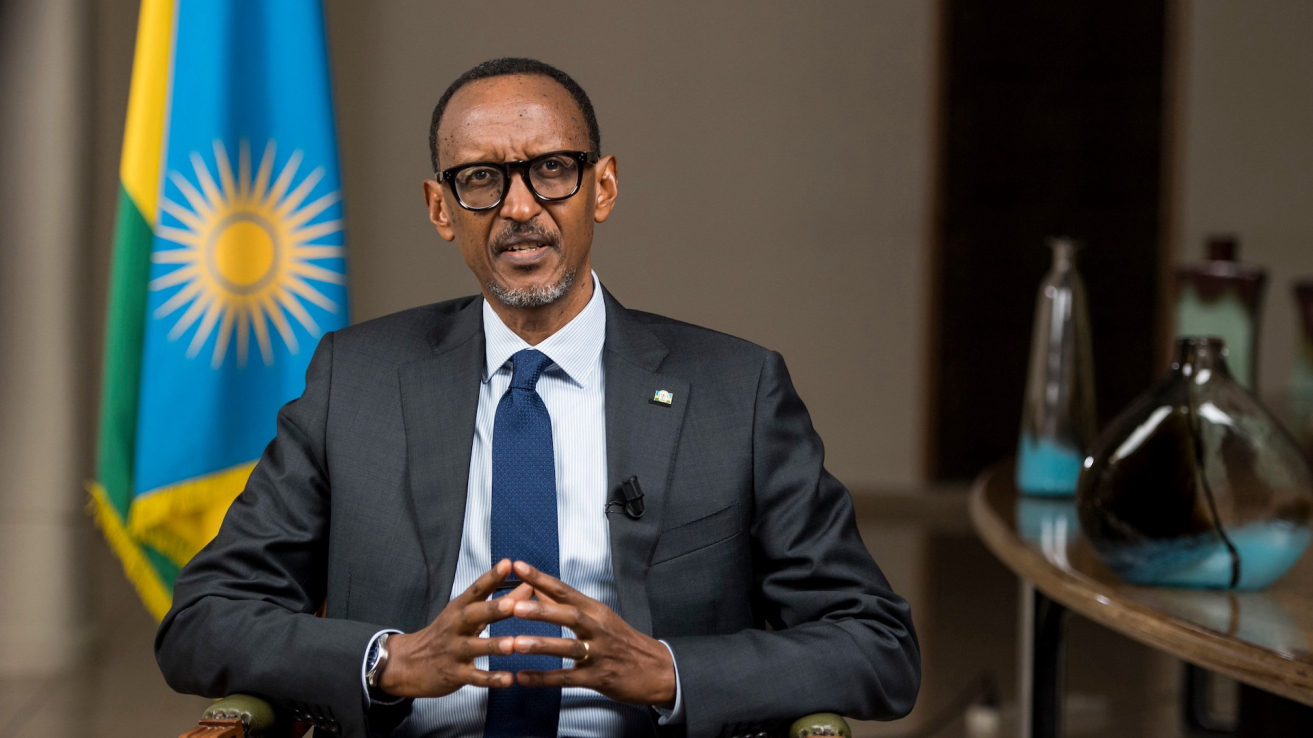
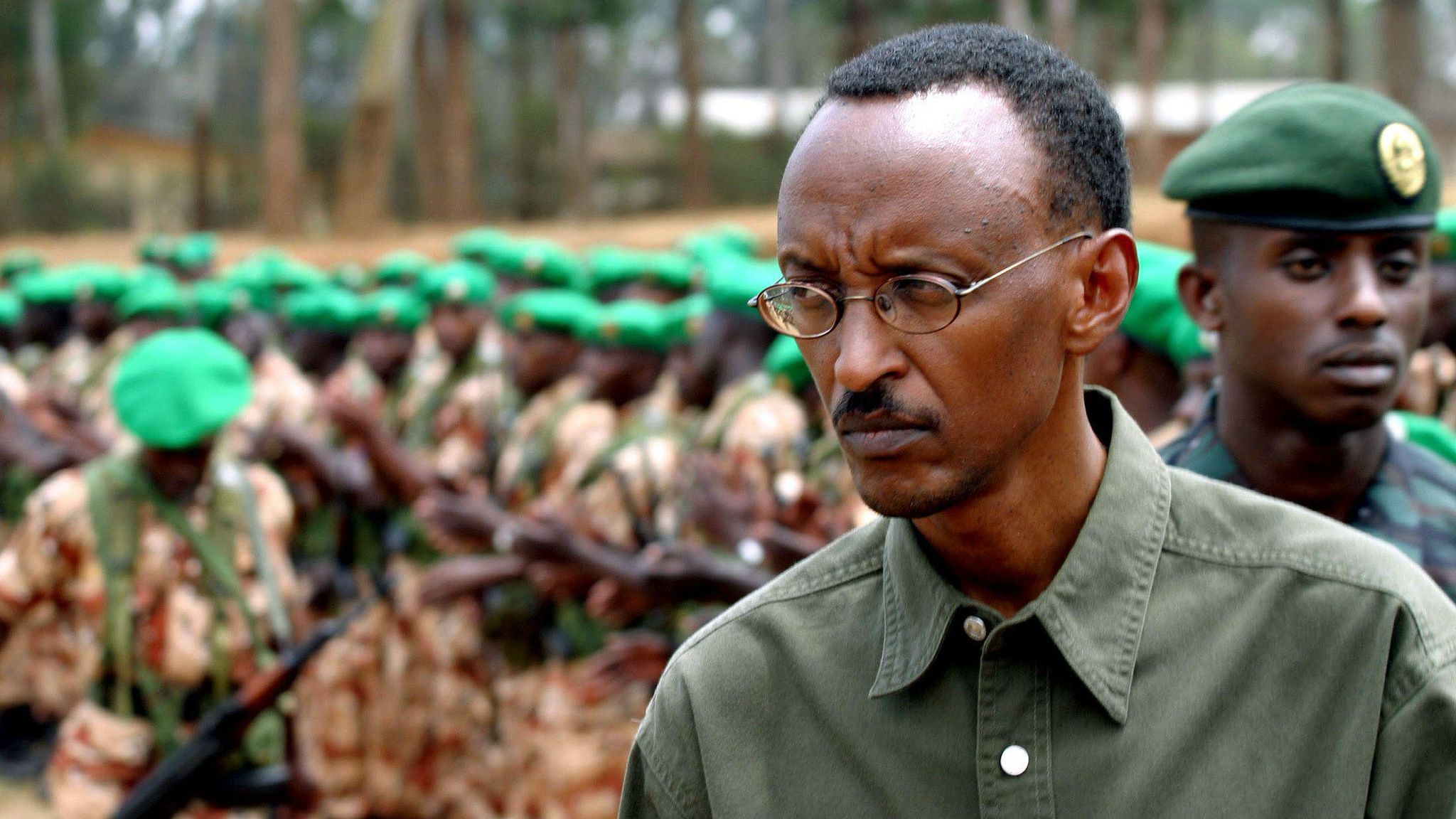
In interviews conducted by Mascini for his report, Rwandan officials frequently pointed to their own history - specifically the genocide of the 1990s - noting that many of their leaders understand what it means to live in exile. President Paul Kagame, for instance, grew up as a refugee in Uganda. Yet, Mascini views Kagame primarily as a strategist: “Kagame looks years ahead, calculating what such a deal might yield for him.” For Rwanda, then, the agreement is, above all, a means to become a significant and legitimate player on the global stage.
For some time, Rwanda has positioned itself internationally as a ‘problem-solver’ for powerful nations. At times, this has proven successful. When refugees were stuck in Libyan detention centers, Rwanda - commissioned by the EU and the African Union - established an Emergency Transit Mechanism in 2019 in Gashora, near Kigali, where people could stay while awaiting resettlement to Europe. Following the Taliban’s seizure of power in 2021, Rwanda took in Afghan students. The country is also one of the largest contributors of troops to UN peacekeeping missions.
Yet, often, this willingness to serve, leads to distressing outcomes. Between 2013 and 2018, Israel sent thousands of Sudanese and Eritreans to Rwanda. But instead of a fresh start, they were met by men in uniform who drove them by van to Uganda and left them to fend for themselves. In 2025, Rwanda signed an agreement with the Trump administration to accept up to 250 individuals deported by the United States, in exchange for approximately 7.5 million dollars.
According to the organization Third Country Deportation Watch, 23 people have been placed on flights to Rwanda since April of last year. The most recent flight departed this past August. No NGO can say where these individuals are now. Even the IOM - the organization that received the migrants upon their arrival - has declined to provide any information.
The extent of this willingness to serve was demonstrated in Mozambique. In 2021, the French company Total halted a $20 billion gas project there following attacks by fighters affiliated with the Islamic State. Shortly after a visit to Kigali by French President Emmanuel Macron, Rwanda deployed 1,000 soldiers. That number has since grown to several thousand, and they are primarily tasked with protecting the gas projects. The EU contributed to the funding - providing €40 million, which the then-EU foreign policy chief, Josep Borrell, described as being in “the EU’s interest in the region.”
When those funds ran out this spring, Rwanda threatened to withdraw its troops. Now, Mozambique is paying for it, under terms that remain unknown.
In 2022, the British government struck a deal with Rwanda, under which asylum seekers arriving in the UK would be deported to Rwanda to have their asylum claims processed. A year later, however, the British High Court ruled that Rwanda was not a safe country for asylum seekers, citing issues such as political repression, restrictions on media and political freedoms, extrajudicial killings, arbitrary detention, and torture. Furthermore, the court found that individuals sent there faced the risk of forcibly deportation to the very countries from which they had fled. The asylum procedure in Rwanda lacks essential safeguards, such as the right to appeal. According to the UNHCR, the Rwandan immigration service has, at times, rejected asylum applications without providing a reason, while also taking into account an applicant’s ties to other nations.
The outcome: when a flight carrying asylum seekers from the UK to Rwanda was scheduled, the court blocked it. The initiative cost the United Kingdom £715 million. When Yvette Cooper - a Labour politician who later became Home Secretary - took over from her Conservative predecessor, she described the deal as “the most shocking waste of taxpayer money” she had ever seen.
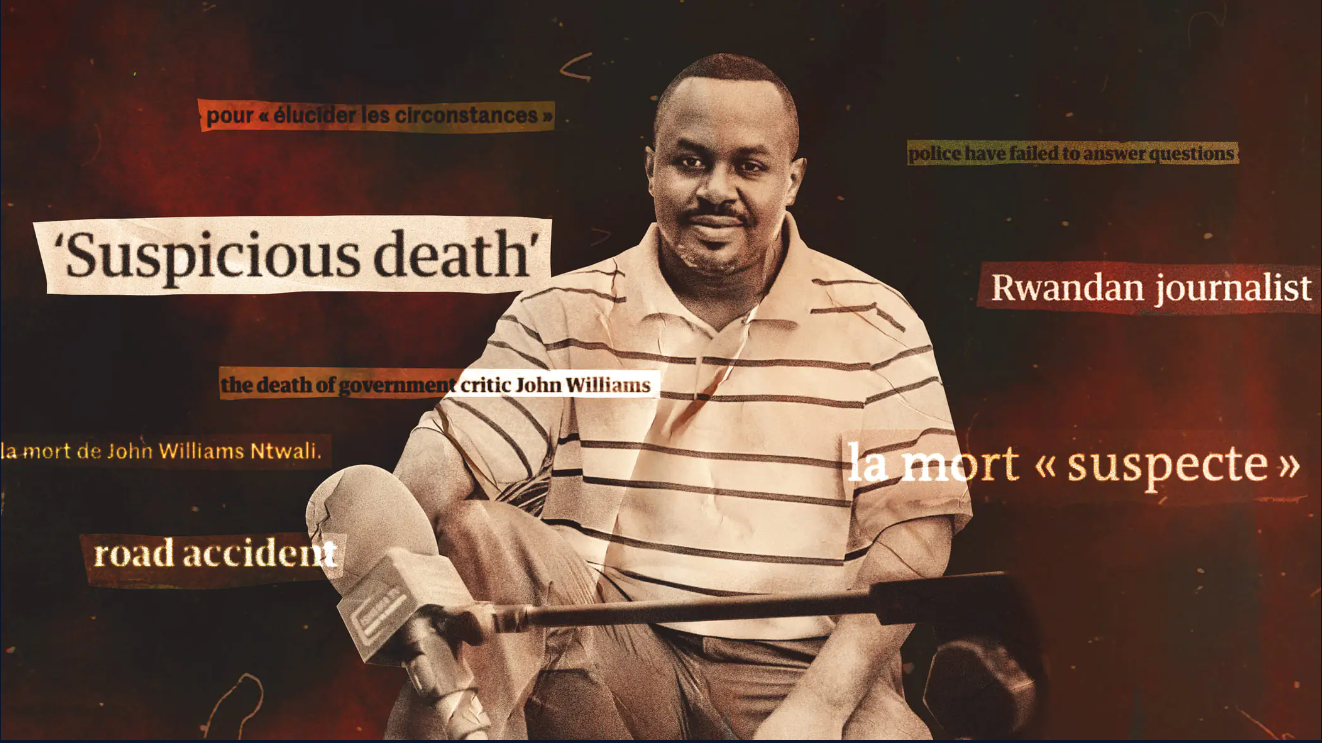
Since the collapse of that UK-Rwanda deal, the human rights situation in Rwanda has not improved. “Any country now attempting to strike a similar deal should take that ruling by the British Supreme Court to heart,” says Clémentine de Montjoye, Human Rights Watch- researcher for Rwanda. Speaking by phone, she describes how over a dozen dissidents and journalists in Rwanda have been intimidated and detained by the authoritarian regime led by Paul Kagame and his party, the Rwandan Patriotic Front. Civil society organizations in Rwanda are also finding it increasingly difficult to carry out their work independently. New legislation introduced in 2024 has placed NGOs under government oversight. “There are effectively no organizations left that are able to do independent human rights work,” says De Montjoye.
That same year, following the publication of a critical report, De Montjoye was turned away upon arrival at the airport in Rwanda. Since then, Human Rights Watch has not been able to return to the country.
The limited space for NGOs makes it difficult to monitor whether migrants arriving in Rwanda - under a possible return agreement - will be treated properly. Other major human rights organizations, that have requested anonymity due to concerns for the safety of their staff, also state that they see no way to safely monitor the situation of migrants in Rwanda.
De Montjoye thinks it is a slippery slope towards greater repression in Rwanda. “The list of examples is long, and each one highlights the very real risk that people pay for defending human rights or trying to speak freely and critically. “
In 2018, eleven people were killed when Rwandan police opened fire at the Kiziba camp during a protest by refugees from the Congo against cuts to their food rations. Other refugees were sentenced to prison for demonstrating without authorization and for spreading “false information.”
Meanwhile, the Rwandan regime has intensified its hunt on its own dissidents abroad. In doing so, Rwandan intelligence services have employed Israeli spyware and Interpol red notices, while collaborating with local law enforcement authorities in countries like Kenya and Uganda to have individuals arrested and sent back to Rwanda.
Earlier this month, the decapitated body of Robert Kabera was found on a eucalyptus plantation just outside Kampala, Uganda. He was a well-known critic of Rwandan President Kagame and had fled to the neighboring country in 2020. The investigation into his murder is ongoing; however, in the months leading up to his death, Kabera had been repeatedly threatened by Rwandan authorities. “I was in frequent contact with him,” says De Montjoye. “He had already been attacked several times and was waiting to be resettled in another country. He was arrested once and saw officers from the Rwandan embassy conferring with Ugandan police at the police station.”
Rwanda is providing support - including its own troops and drones - to the M23 rebel group, which last year seized large swaths of eastern Congo and established its own administration there. This occupation is lucrative, both for the rebel leaders and for Rwanda, according to the research NGO International Crisis Group. The U.S. Department of the Treasury reports that gold from Congolese mines is being smuggled out, partly via Rwand, and ends up primarily in the United Arab Emirates.
Meanwhile, the M23 has been implicated in war crimes, such as the recruitment of child soldiers and the detention and mistreatment of civilians in large camps. The EU has placed several high-ranking Rwandan military officials on its sanctions list over the past two years.
It remains to be seen to what extent Europe will still be able to hold Rwanda accountable once the deal has been signed. A declassified Foreign Office memo reveals that the British government itself anticipated having to soften its stance on the human rights situation in Rwanda following its own deal.
According to Gerald Knaus, the main flaw in this plan is that it focuses on asylum seekers whose claims have already been rejected, whereas an effective migration strategy should target those yet to arrive: “Close the irregular routes by intercepting people and sending them to safe third countries.” And yes, he includes countries like Rwanda in that. “The condition is that people immediately get residence there, and from there they either return voluntarily, or over time still go through an asylum procedure and come to Europe legally. The goal is ultimately to reduce the number of deaths on the irregular routes by deterring people.”
Knaus has a fierce opinion on the plans for a ‘return hub’: “It is symbolic, it is political theatre. And even if they manage to send 100 people, they will never be able to scale this up. These are completely pointless solutions, where things are done based on magic thinking.”
The problem is that many countries outside Europe do not cooperate with returns. “In five years, about 108,000 asylum applications from Bangladeshis were rejected in the EU, but from the entire EU only about 3,000 people were returned to Bangladesh.”.Using a third country as a stopover does not change this, since returns will only affect a few of those who arrive, and will not stop more getting into boats.
In continuing with the return hubs, Knaus argues, governments are effectively playing into the hands of far-right parties. “They can say: you see, we have to deal with these people even more harshly, and human rights are thé obstacle.”
--------------
Editor’s note: M28 Investigates republishes this investigation by Investico and De Groene Amsterdammer, first published in Dutch on 9 November 2026. Five European governments (the Netherlands, Germany, Austria, Denmark and Greece) are preparing to announce a return-hub arrangement with Rwanda in Vienna on 16 November. The deal would hand Kagame’s regime fresh diplomatic leverage at a time when its troops back the M23 in eastern Congo and its campaign against dissidents abroad continues. The English text has been lightly edited for an international readership.
Investico and De Groene Amsterdammer are investigating detention centres and the return of foreign nationals in the Netherlands. Have a tip? Email them pimentel@platform-investico.nl.