Commentary & Analysis
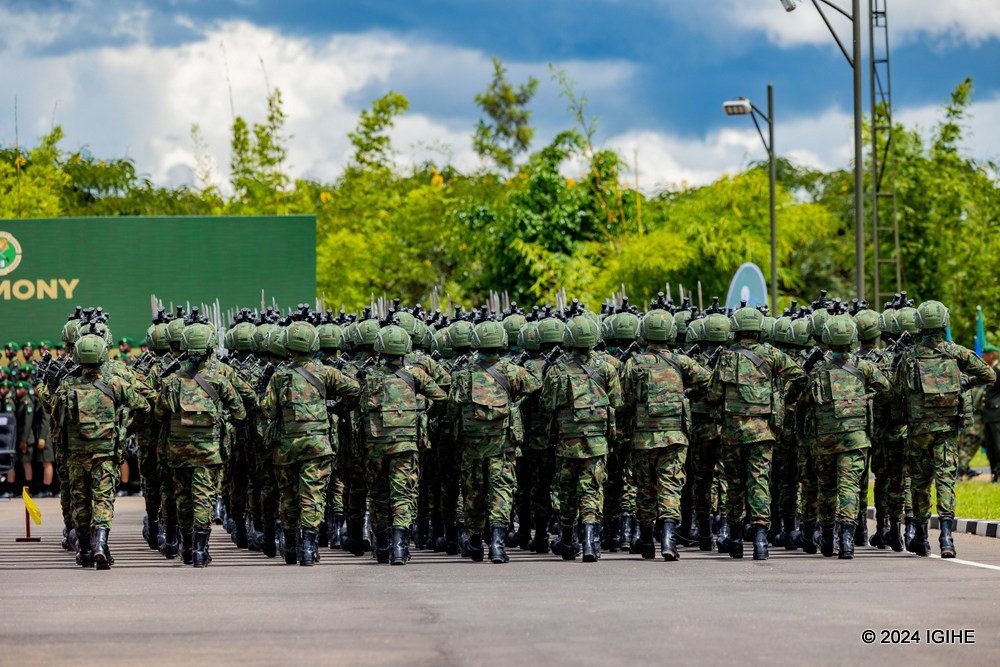
Sanctioned. Still in DRC. The Hard Truth Abou...
On March 2, 2026, the United States Treasury's Office of Foreign Assets Control (OFAC) did something unprecedented: it sanctioned not just individual Rwandan commanders, but the Rwanda Defence Force itself - as an institution. Four senior officers were named alongside it: Major General Vincent Nyakarundi, Major General Ruki Karusisi, General Mubarakh Muganga and Brigadier General Stanislas Gashugi.
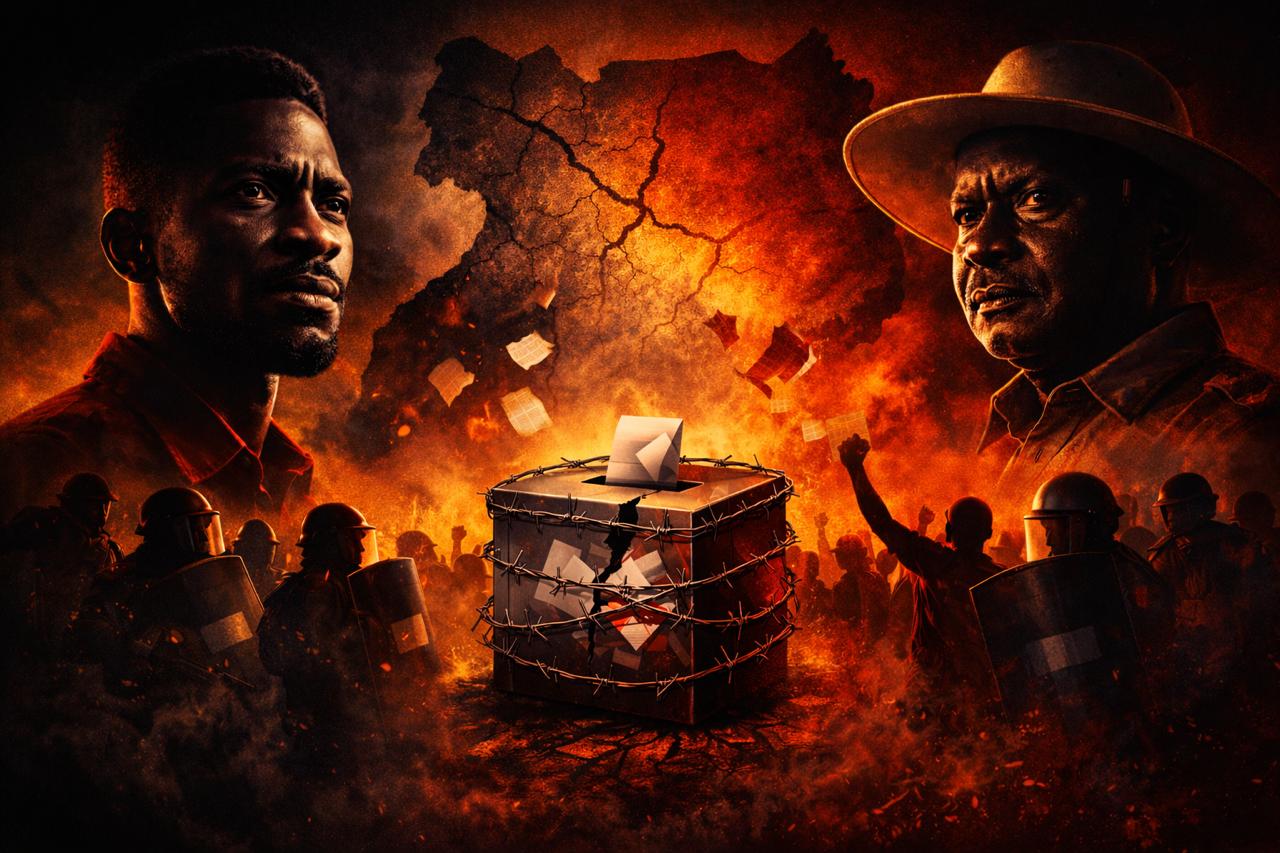
From Quiet To Chaos: The Mess That Is In The...
The Justice Minister of Uganda, Nobert Mao, had promised a quiet 2026 elections - the quietest ever. Few believed him but the start of the elections fleetingly seemed to vindicate him. Sections of the Ugandan media briefly called the presidential race mainly between 81-year-old Museveni and 43-year-old Bobi Wine as boring.Ugandans are not used to peaceful presidential elections. All elections under the 1995 Ugandan Constitution have been chaotic with the Supreme Court acknowledging massive election irregularities in 2001, 2006 and 2016 but falling short of annulling them due to the fear of grave consequences and reasoning that the massive electoral rigging was not substantial enough to subvert the will of the people.

Ingabire Victoire's Arrest and Kagame's Strat...
On June 19, 2025, Rwandan opposition figure Ingabire Victoire was arrested on allegations of forming a criminal association and planning acts aimed to cause public unrest.

Honorary Title For freedom of expression
It is with profound gratitude and humility that I accept this honorary title for freedom of expression. I thank the organizers for this recognition, I extend my heartfelt gratitude to all those who have supported me, shown kindness, and stood in solidarity with me and the causes I document and advocate for.

The hidden cost of Kagame’s War in Eastern DR...
President Paul Kagame’s ongoing military involvement in the Democratic Republic of Congo (DRC) is a widely acknowledged reality, extensively documented by independent journalists, human rights organisations and the United Nations. Substantial evidence, including satellite imagery, intelligence reports and testimonies from defectors, confirms Rwanda’s support for the M23 rebel group.1

Rwanda’s Economic Collapse:
Over the past two decades, Rwanda has been praised in some circles as an African economic success story often labelled a “miracle.” Western diplomats, international donors, and some media have commended President Paul Kagame for achieving rapid economic growth while maintaining strict governance.
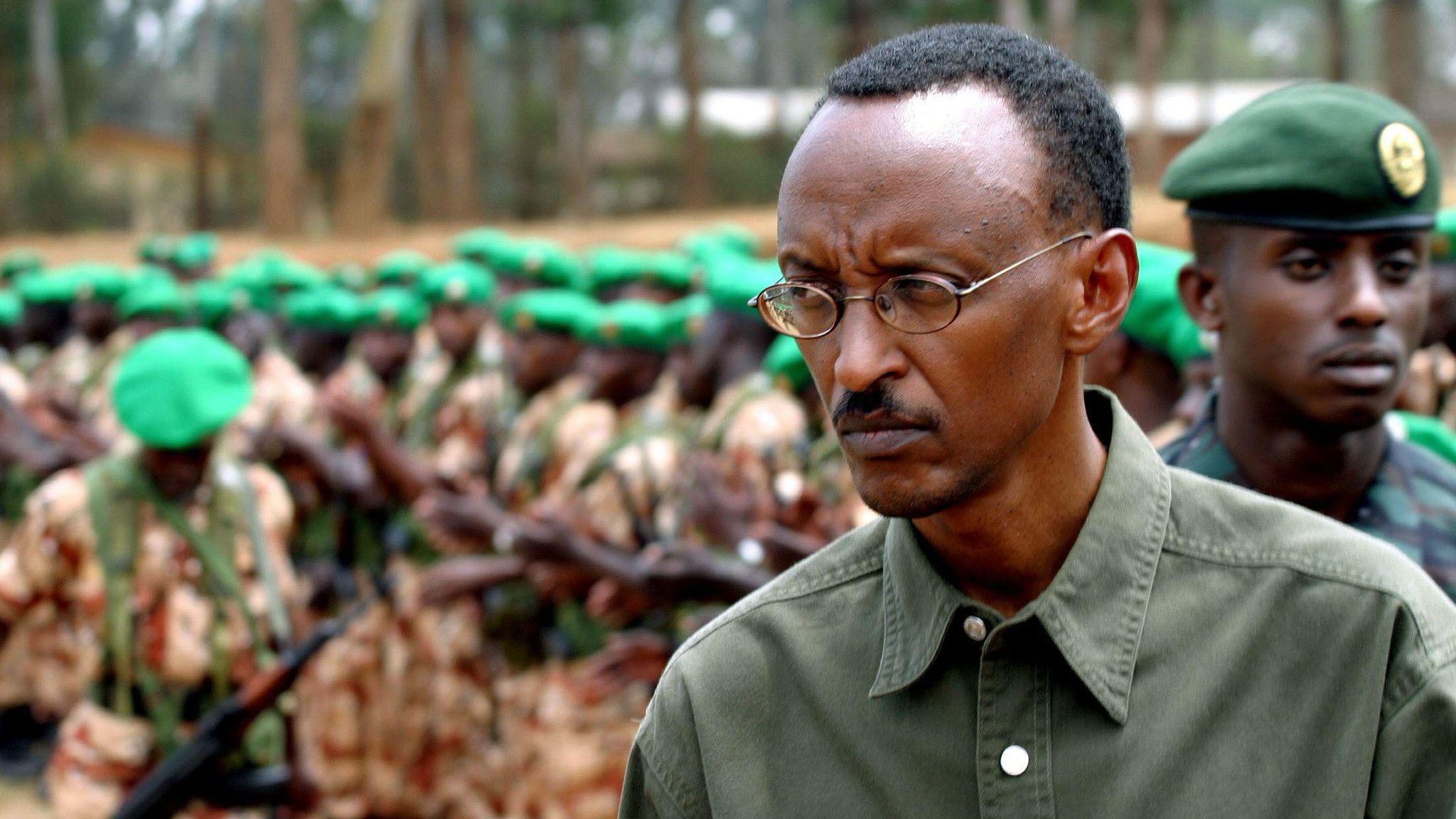
Kagame’s Dual Grip: Repression at Home, Chaos...
Paul Kagame's regime in Rwanda is a striking example of how modern autocrats keep a firm hold on power. This is done through a combination of harsh domestic control and manipulation of neighboring regions, all done while gaining the support of Western countries that should ideally stand against such actions
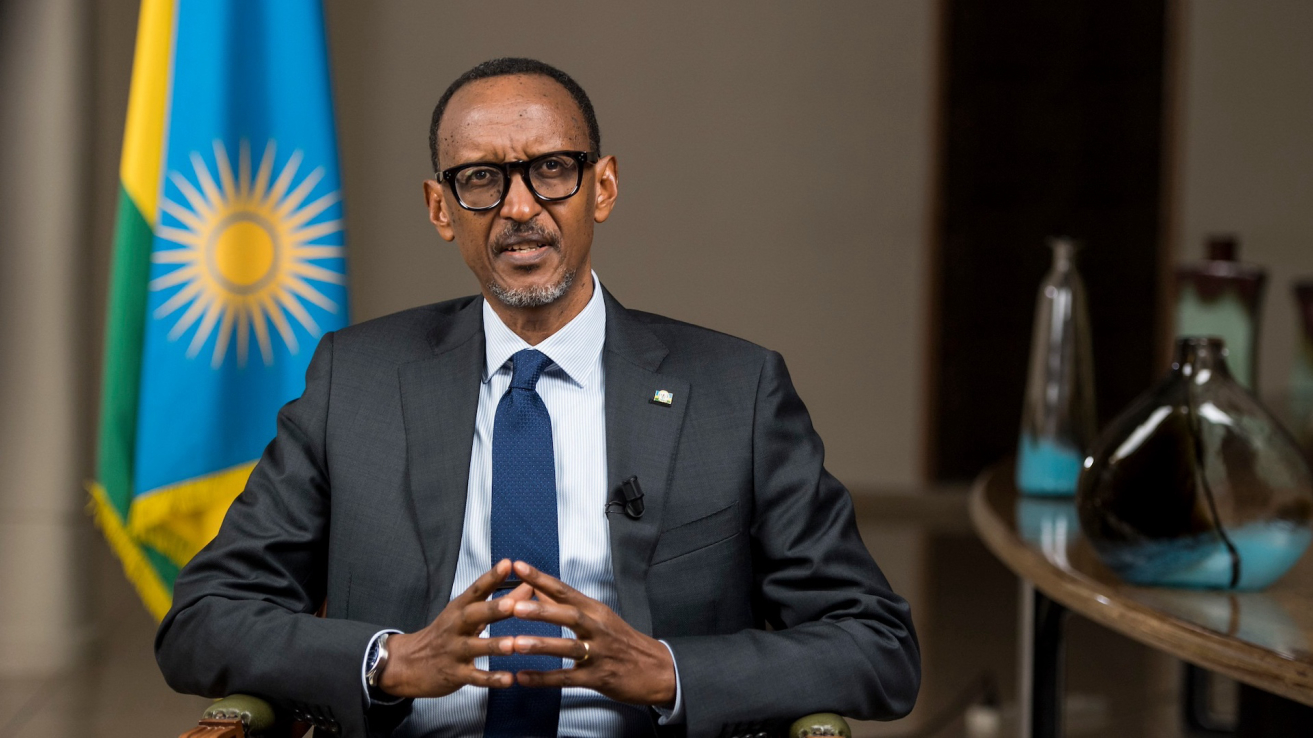
Why Kagame Would Not Win A Free And Fair Elec...
In a hypothetical scenario where free and fair elections were conducted in Rwanda, it is highly questionable whether Paul Kagame would secure victory.
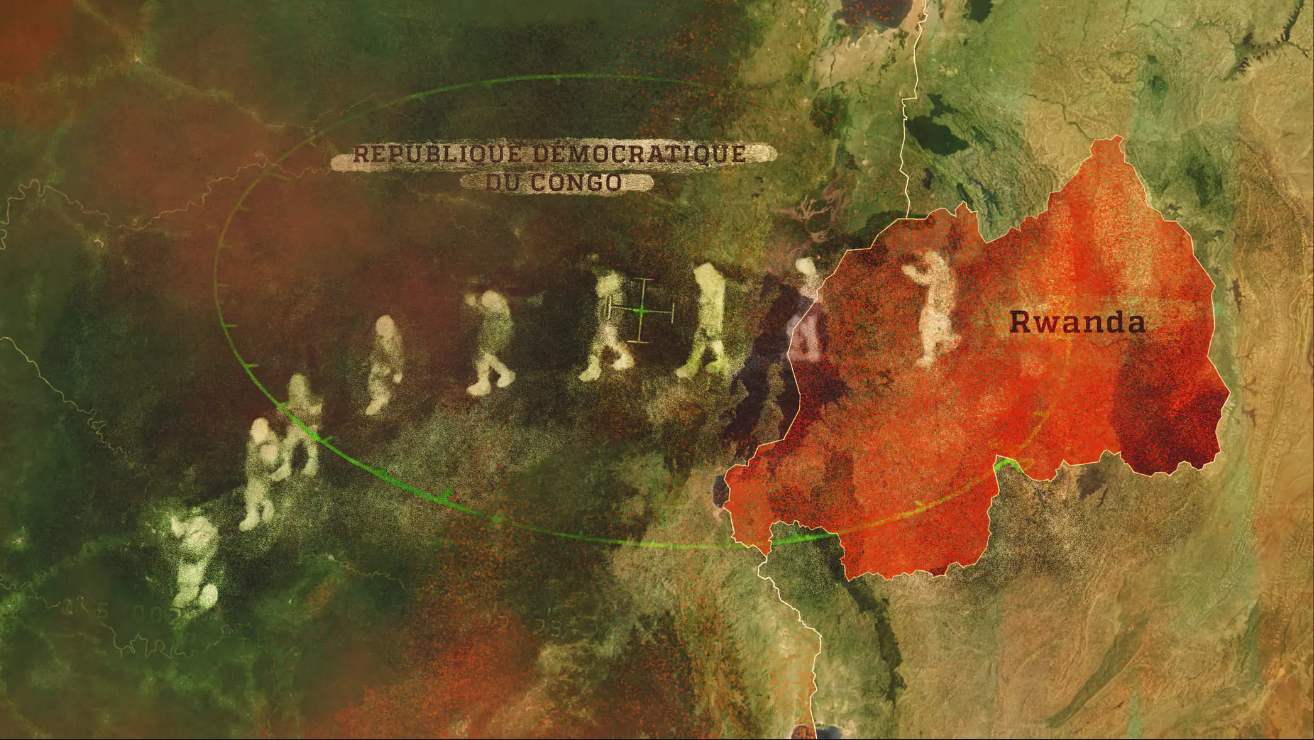
Soldiers Fallen In Silence: Kagame’s Unacknow...
Investigating the deaths of Rwandan soldiers killed in North Kivu led to one journalist’s exile and possibly the death of another.
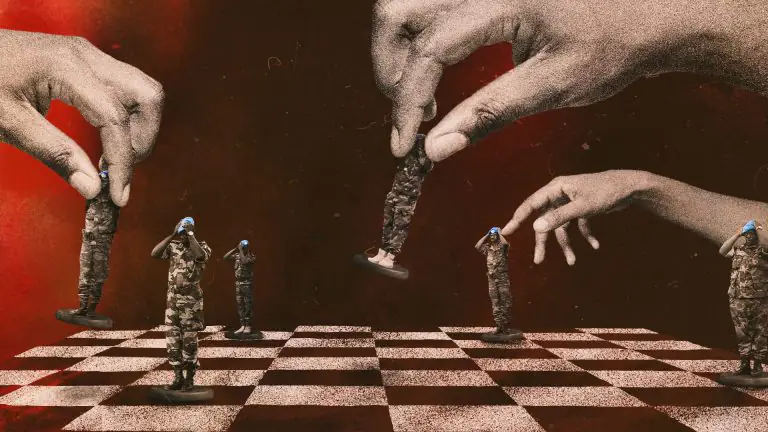
How Rwanda Leverages Peacekeeping for Influen...
As evidence of its interference in the eastern Democratic Republic of the Congo mounts, Rwanda continues to evade United Nations sanctions due, in part, to the high number of Rwandan soldiers fighting under its banner.
“Clandestine activities” and suspicious death...
Rwanda’s conduct, both in its region and in Belgium, is causing friction with its former colonial power. The murky murder of a Rwandan opposition figure, the deaths of two Belgians in South Africa, and “clandestine activities” against Rwandan diaspora in Belgium are among the reasons Brussels is taking a firmer stance against Kigali.
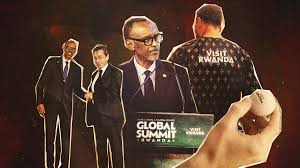
In the West and online, Rwanda’s influence m...
In international forums, conferences and showrooms, Rwanda highlights its clean streets, gender equality and favorable business environment. But behind this gleaming image is a hidden army of lobbyists, trolls and agents ready to smear any opposition. Forbidden Stories and its partners investigated Rwanda’s global influence machine as part of the Rwanda Classified project.
Showing 1 to 12 of 22 Results