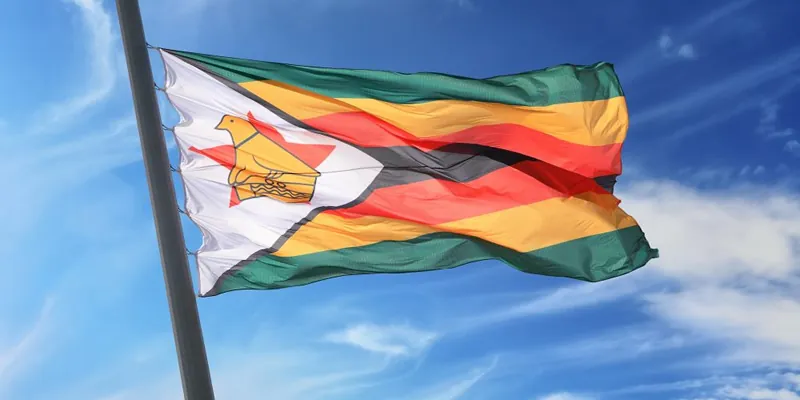
The hyperinflation that was the hallmark of Robert Mugabe’s twilight years is back and wreaking havoc even as the central bank and the ministry of finance continue to deny the collapse of the local currency.
With the launch of the Citizens Coalition for Change, Zimbabwe’s political landscape has undergone a significant shift, with a younger activist generation increasingly impatient with the unfulfilled promises of liberation.
Burkina Faso Guinea and Mali are under the military boot awaiting return to civilian rule. But whether the juntas in place will deliver credible elections at the end of the respective transition periods remains to be seen.
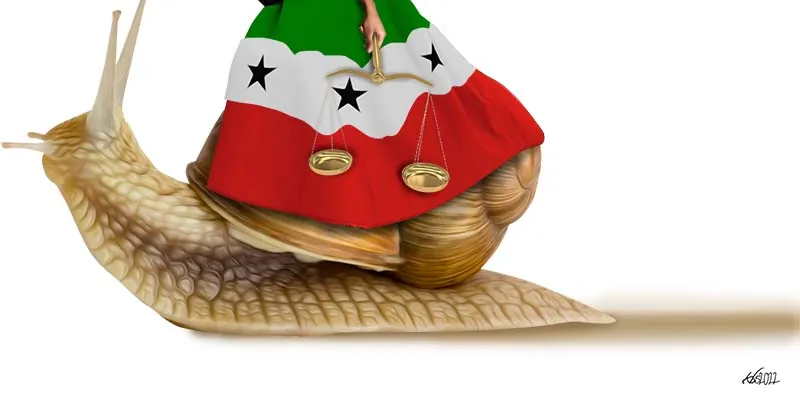
Differences over plans to reshuffle Somaliland’s licensed political parties and the sequencing of elections have cast doubts over the electoral calendar since December 2021. In light of the legal and technical timelines, it is now an “open secret” that Muse Bihi’s elected term would expire before presidential elections can be held. Based on past experience, it is inevitable that the House of Elders (Guurti) will extend the President’s term in office. The question is: On what terms might this happen, to what end, and for how long? Unless addressed through consensus, Somaliland not only faces prolonged political uncertainty, but also a constitutional crisis that could inflict lasting damage to its widely respected electoral democracy.
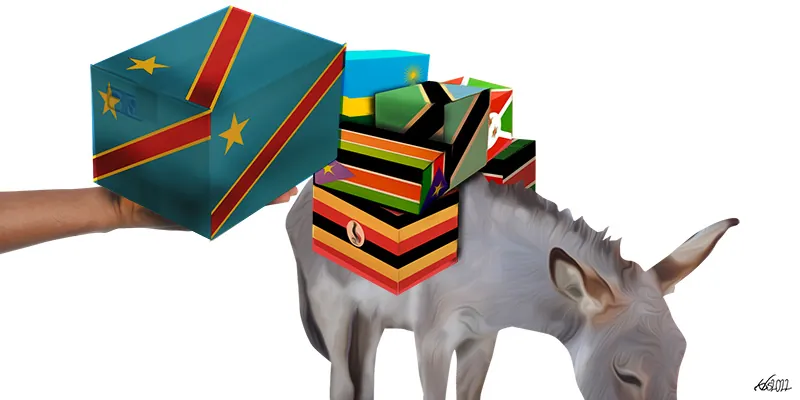
Unless the leaders make good on their statements about using the greater scale of the economic bloc to demand better terms of trade globally, the expanded Community is likely to be a continuation of the already damaging experience suffered by the ordinary people.
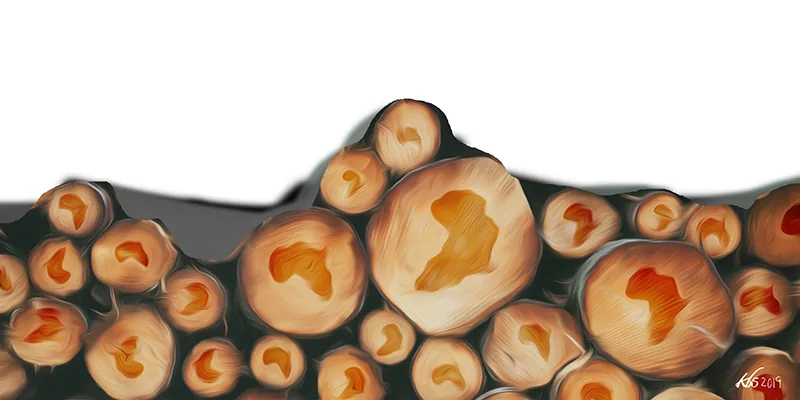
The European Union Timber Regulation of 2013 has proved ineffectual and it is still easy to ship illegally harvested teak, “the king of woods”, from South Sudan to Europe via India.
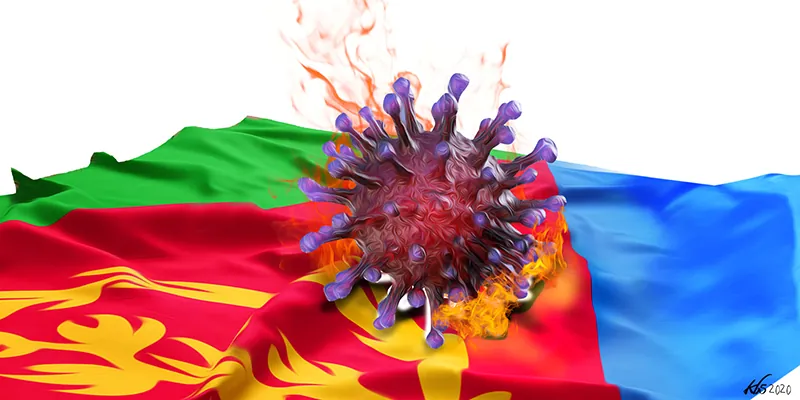
Thirty years after Eritrea gained independence from Ethiopia, there has hardly been any meaningful development in this small nation in the Horn of Africa. On the contrary, the government’s authoritarian policies have undermined democracy and forced young people to flee the country.
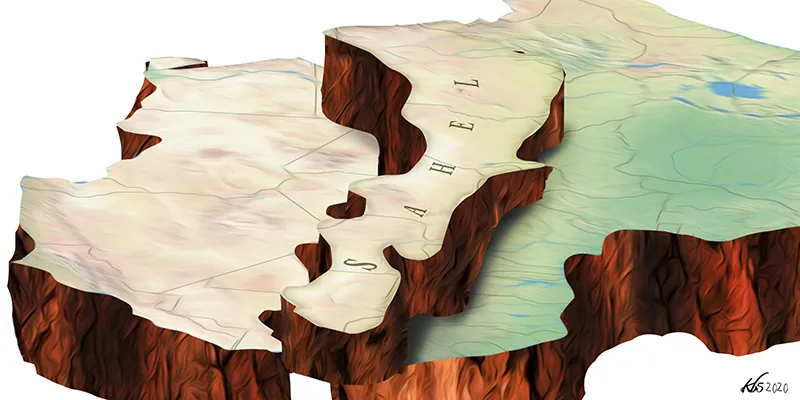
With Muammar Gaddafi gone, battle-hardened desert tribal groupings and latent ethnic rivalries have erupted in the Sahel, producing hundreds of small conflicts that had been simmering for decades.
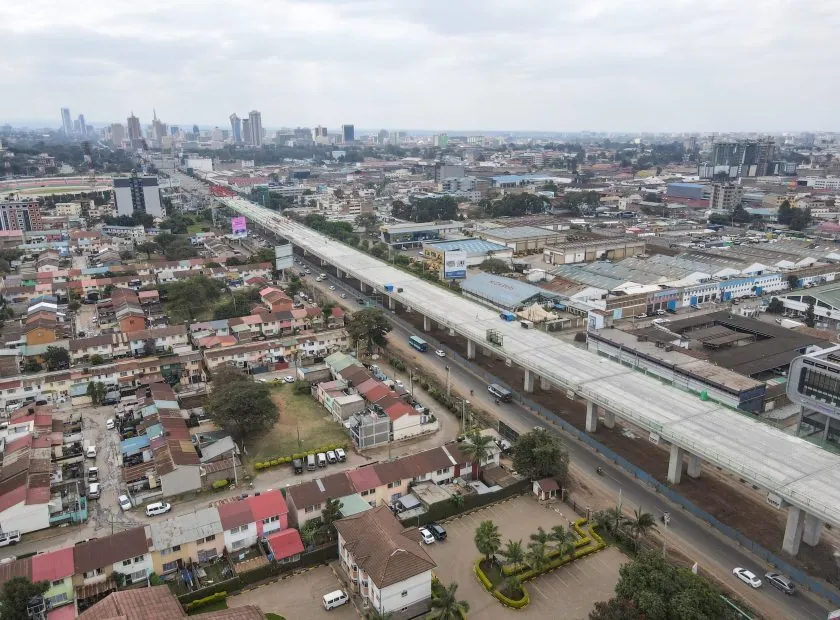
Although endorsed by the African Union, Kenya’s candidacy for one of the non-permanent United Nations Security Council seats reserved for Africa has been challenged by Djibouti and there are no guarantees that the country will get the votes of two-thirds of the Council members in the forthcoming June elections. With both countries arguing that they are the voice of Africa, Kenya will need to defend its track record on matters of international peace and security and address concerns about its reliability as an ally, among other grievances against it. Otherwise, Nairobi may be in for a surprise come June.